Quick Answer
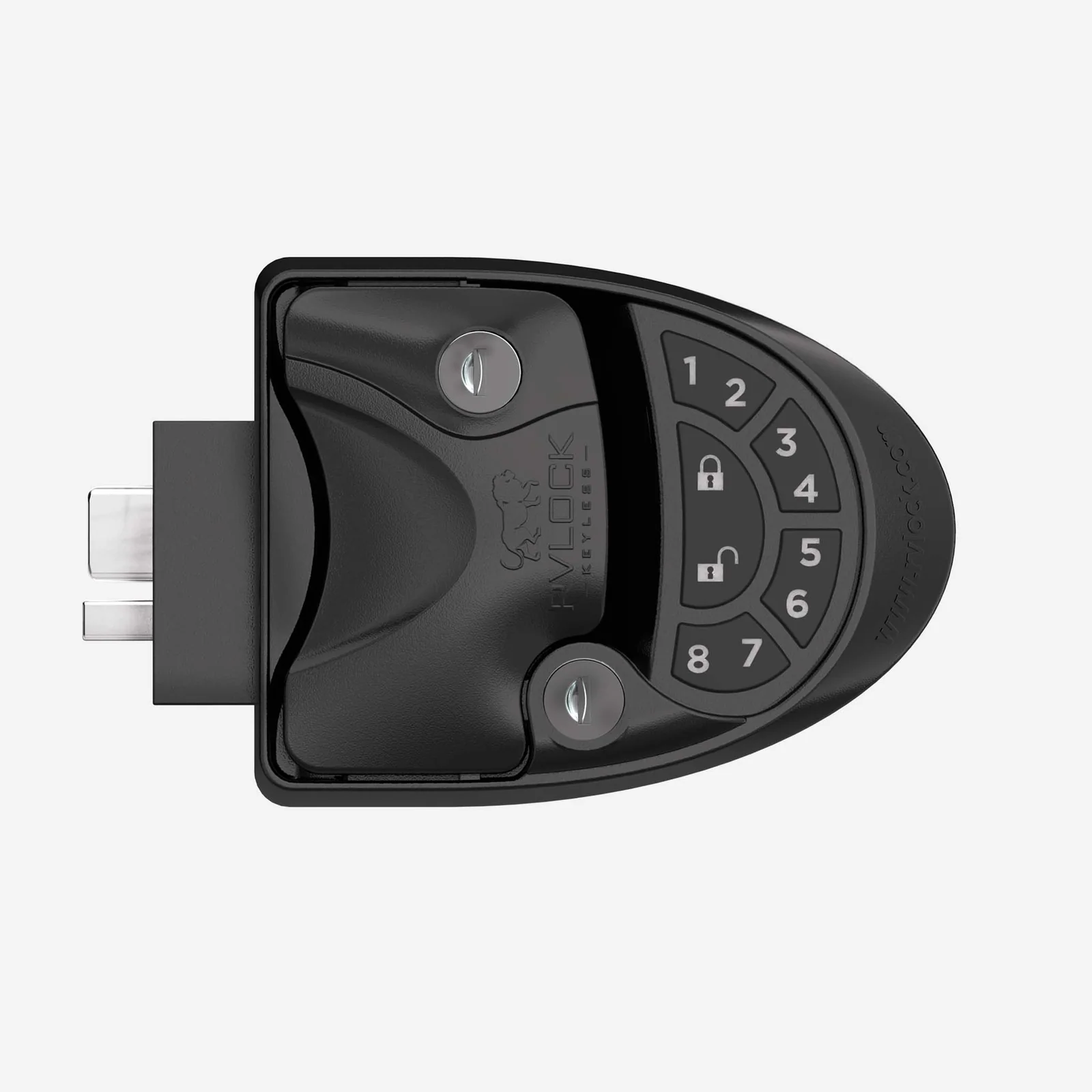
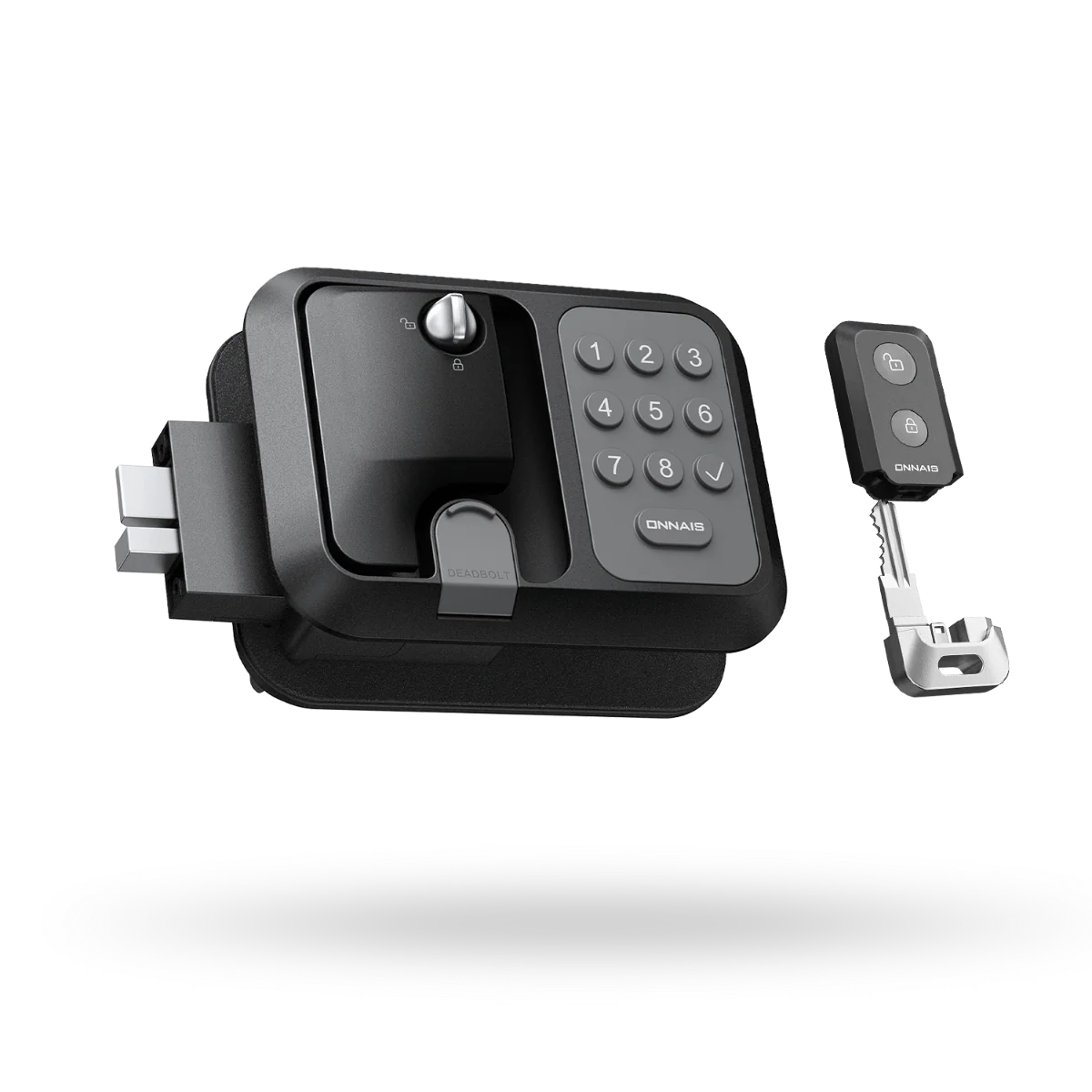
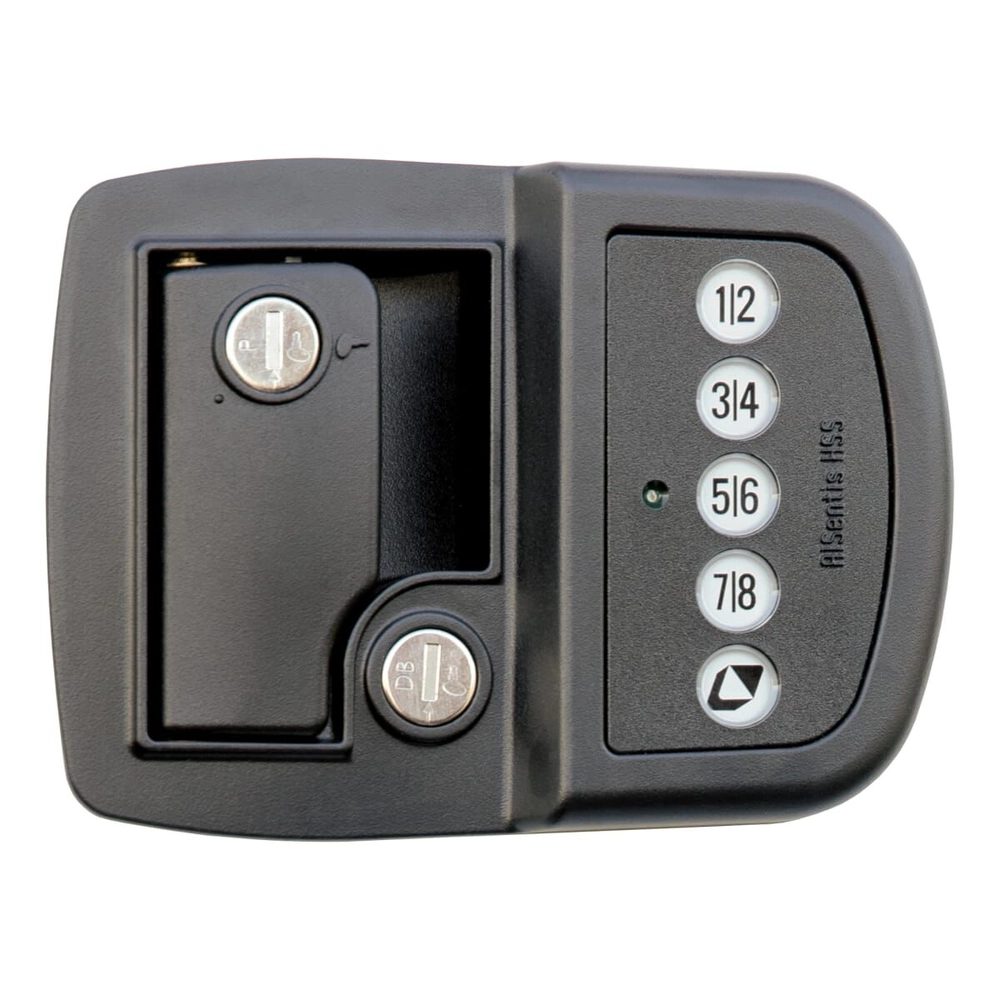
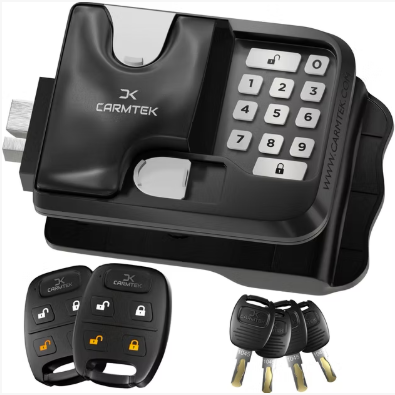
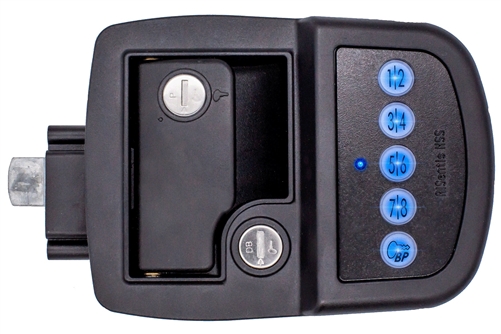
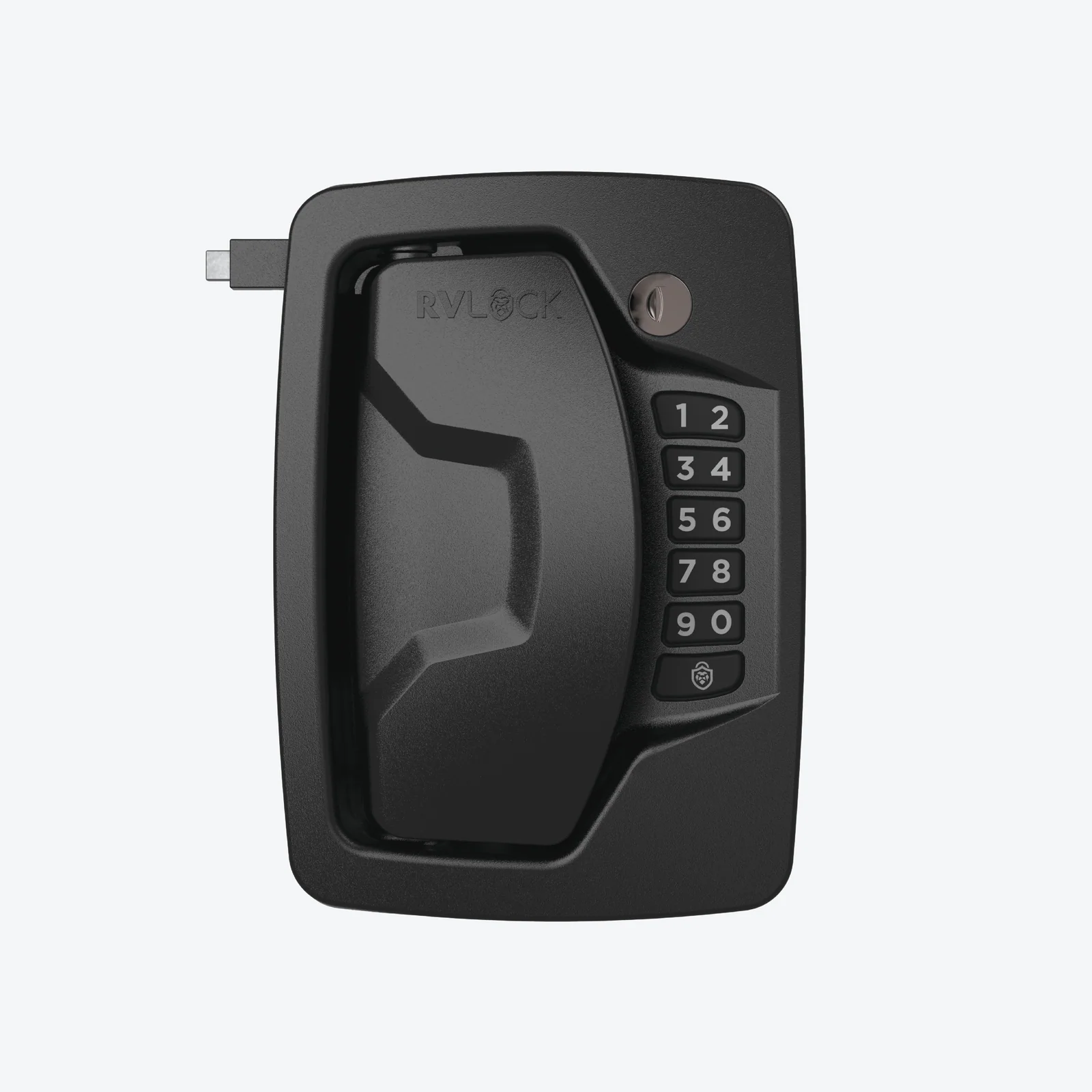
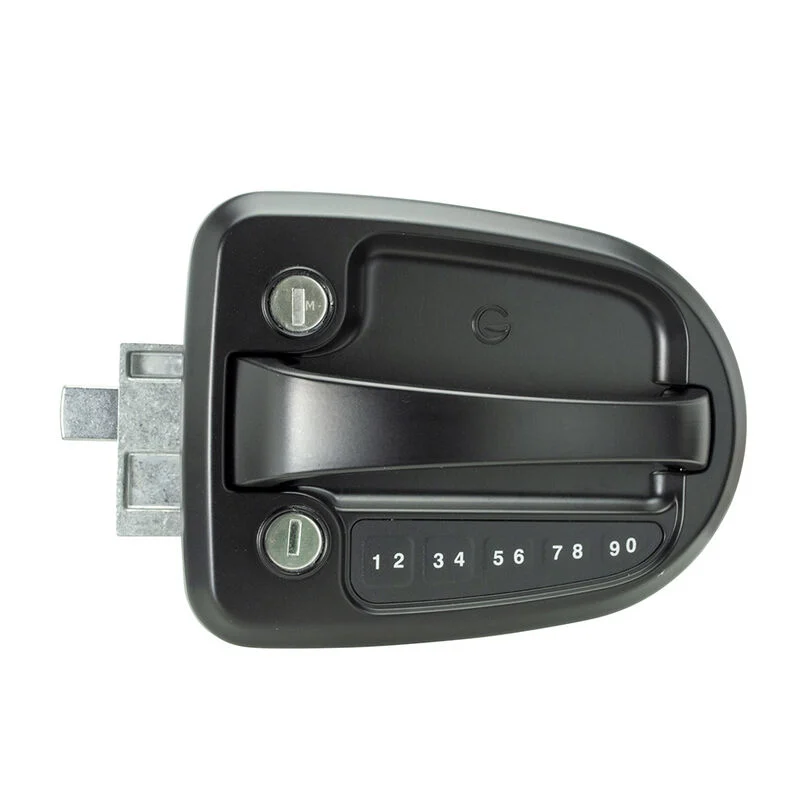
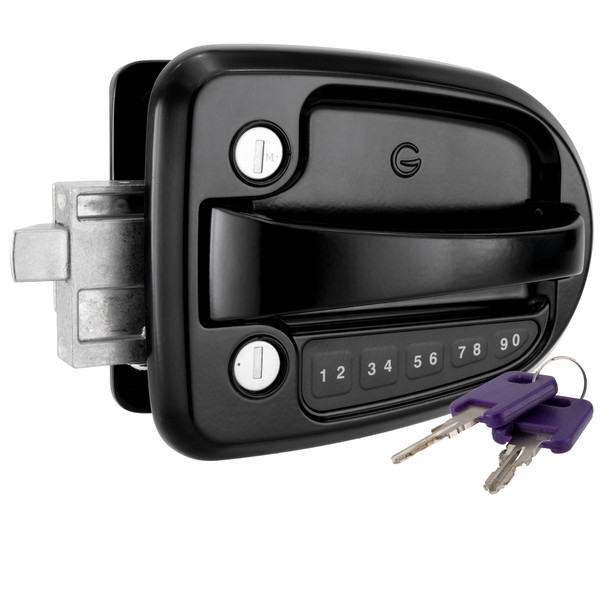
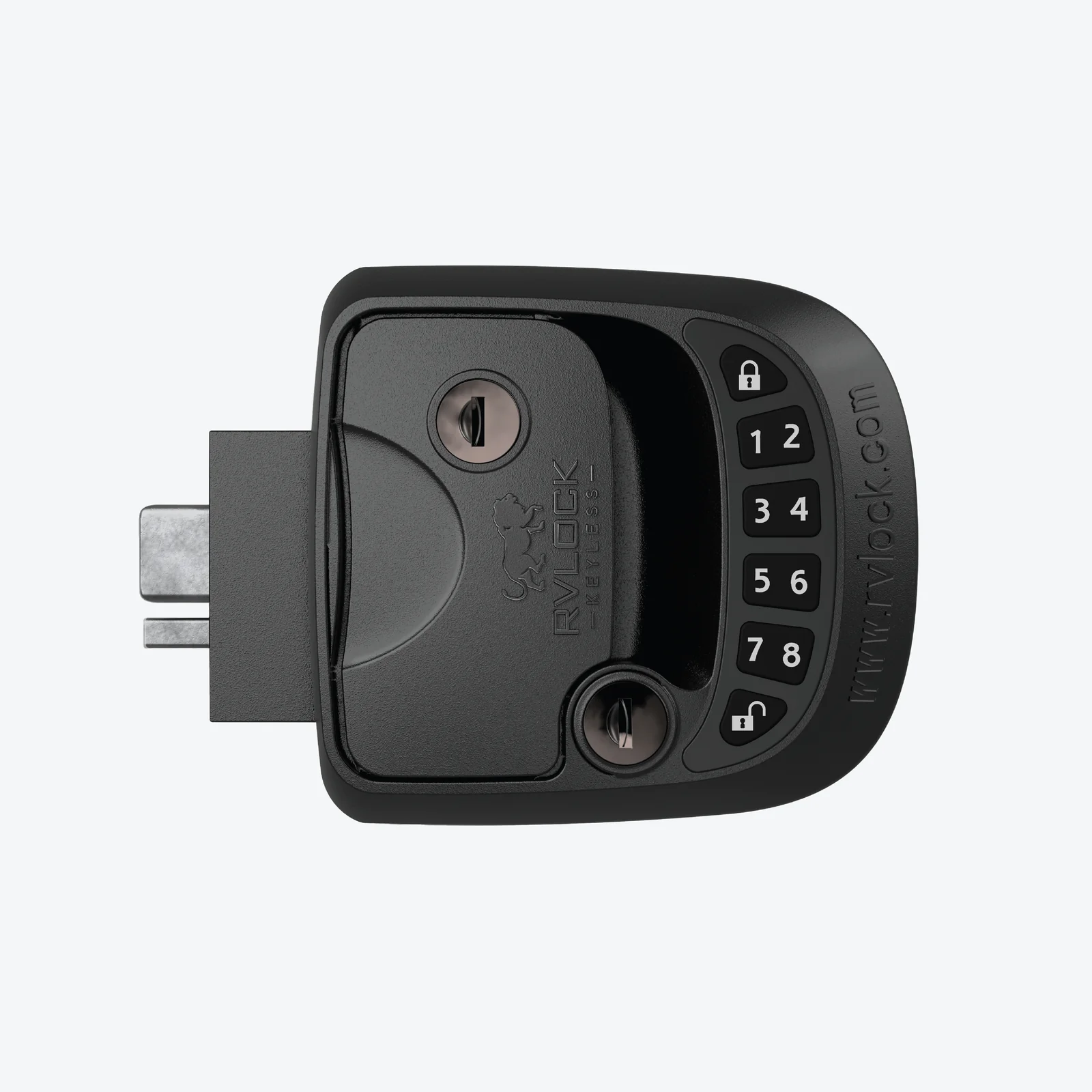
For most RV owners, a keyless keypad lock is the right call — it eliminates the shared factory-key problem, kills the daily key hassle, and doesn't require an app or a phone dependency. Step up to a smart or NFC model only if you specifically need remote access, guest codes, or usage logs; stick with a simple keyed replacement if you just want the cheapest fix for the shared-key issue.
Start with fit, because nothing else matters if it won't mount
Before you fall in love with any feature, confirm the lock will drop into your existing door. Most RV door locks are designed to replace a standard cutout without drilling, but "standard" isn't universal. Measure three things on your current hardware: the distance between the deadbolt and the latch, the door thickness, and the handle style. A lock that forces you to modify the door — or worse, one that leaves a gap where the old plate was — turns a ten-minute swap into a weekend project. Every product further down this page notes its fitment, so check that against your measurements first.
Decide how you want to get in
This is the real fork in the road, and it splits three ways.
| Feature | Keyed | Keyless (Keypad) | Smart |
|---|---|---|---|
| Price | $ | $$ | $$$ |
| Batteries needed | No | Yes — AA cells, 6–12+ months | Yes — shorter life, Bluetooth radio |
| Solves the shared-key problem | Yes | Yes | Yes |
| Remote / app access | No | No | Yes |
| Best for | Simplicity, no batteries to manage | Most owners, daily convenience | Renters, shared or rotating access |
Key takeaway: if you're unsure, keyless keypad is the safe default — it removes the most daily friction for the least added complexity.
Weigh durability like the lock lives outside — because it does
Your RV door lock takes rain, dust, road grime, vibration, and temperature swings that a house lock never sees. This is where cheap units fail first: keypads that stop registering presses after a wet season, finishes that corrode, housings that rattle loose. Look for a metal housing over plastic and a weather rating that tells you it can handle the elements. If you store your rig uncovered or camp in harsh climates, weight this more heavily than any convenience feature.

For anything electronic, plan for the battery
The two biggest fears with electronic locks are simple: the battery dying while you're away from the rig, and getting locked out because of it. Neither is a dealbreaker if the lock is designed well. Look for two things — a realistic battery life (read reviews for what owners actually get, not the box claim) and a backup entry method, whether that's a physical key override or external terminals you can touch a 9-volt to in a pinch. A keyless lock with no fallback is a gamble; one with a backup is just convenient.
Match access management to how many people use the rig
This one's a branch, not a universal need. If it's just you or a couple, a single code is plenty. But if you rent your camper out, share it across a family, or use a cleaning service, the ability to set multiple codes and change them between users becomes the whole reason to go keyless. Renters especially should prioritize easy code management — it's the difference between rekeying hardware between guests and typing in a new number.
Treat smart features as optional, not aspirational
App control, Bluetooth, NFC tap-to-enter — these are real conveniences for the right person, but they're polarizing. Some owners love unlocking from their phone with an armful of groceries or generating a guest code from the couch. Others actively don't want another app, another pairing routine, or another thing to keep charged in an environment full of vibration and moisture. There's no wrong answer here, only a fit to your habits. Buy the smart lock because a specific feature solves a specific problem you have — not because it's the most advanced option on the shelf.
Be realistic about security
One honest note before the picks. A camper door and frame are thinner than a house's, so past a certain point, upgrading the lock delivers diminishing returns — a determined intruder can bypass even a great lock by going through the door. That's not a reason to skip the upgrade; it's a reason to buy sensibly. A solid RV door lock defeats the two real-world threats that matter: the shared factory key, and the opportunist testing handles down a row of parked rigs. It won't turn fiberglass into a vault, and any product promising otherwise is selling a feeling. Spend for a good deadbolt, a unique code or key, and weather resistance — then put the rest of your security budget toward wheel locks or an alarm, where it does more good.